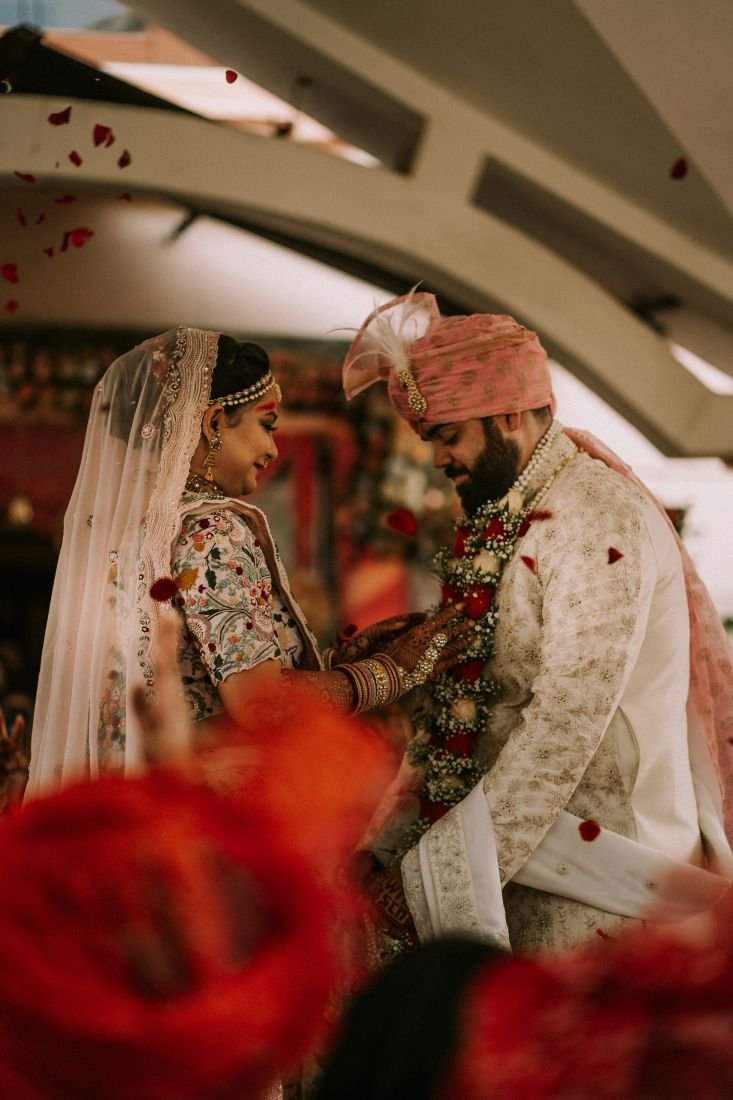
A practical guide to writing a clear, accurate Marathi marriage biodata that helps families understand the person behind the profile.
A marriage biodata is often the first introduction between two families. It should be easy to read, honest and detailed enough to support a thoughtful conversation. A strong Marathi marriage biodata does not need exaggerated claims or decorative language. It needs accurate information presented with care.Begin with the essentials
Write the full name exactly as it is used in official records. Add the date of birth, height, current city and marital status. If birth time and birth place are important to your family, include them accurately rather than estimating. Small errors at this stage can create confusion later.
Explain education and work clearly
Mention the highest completed qualification, specialisation and institution where useful. For employment, use a familiar job title and include the industry or organisation type. A simple description such as software engineer in Pune or self-employed architect in Nashik is more useful than a vague phrase. Income information should be current and shared only at a level the family is comfortable publishing.
Introduce the family without oversharing
A short family section can mention parents, siblings, native place and general family background. Avoid publishing private documents, complete residential addresses or financial details in a profile that may be widely viewed. Sensitive information can be shared after both sides have established genuine interest.
Choose recent photographs
Use a clear, recent portrait in natural light. The face should be visible and the photograph should represent how the person normally appears. One traditional photograph and one simple everyday photograph can offer a balanced introduction. Avoid heavy filters, group photographs and images cropped from crowded events.
Keep preferences realistic
Partner preferences should describe values and practical expectations without turning the biodata into a list of demands. Location, education, profession, age range and family outlook can be stated respectfully. Leave room for a person whose character may be a good fit even when every preference is not identical.
Review every detail before publishing
Ask the person whose profile is being created to read the complete biodata. Confirm spellings, dates, phone numbers and family information. The profile owner should understand what will be visible and what will remain protected. Update the biodata when employment, location or other important information changes.
A trustworthy biodata opens the door to a meaningful conversation. Accuracy, privacy and respectful language matter more than trying to make a profile sound perfect.